
Homes offer food sources, shelter, and quiet areas where spiders can stay undisturbed. Understanding what spiders are attracted to explains why they enter homes and may remain for long periods, even when the space appears clean. In most cases, spiders don’t appear out of nowhere. Indoor insects like flies or mosquitoes attract spiders and make the home a suitable habitat.
Spiders respond to conditions both inside and outside the home. Small changes over time, such as increased insect activity or gaps around doors and windows, can allow spiders to enter without notice.
Knowing what attracts spiders and recognizing the signs of a spider infestation helps reduce spider activity and makes your home less welcoming to pests. Once these conditions are addressed, spiders are less likely to stay indoors.

10 Things That Make Your Home Attractive to Spiders
1. Other Insects Make It Difficult to Keep Spiders Away
Spiders eat insects. Insects are the primary food source for spiders. When insect activity increases, insects are one of the primary sources of food for spiders.
Common insects that cause spiders to come into your home include:
- Ants
- Cockroaches
- Fruit flies
- Moths
- Earwigs
- Small insects like mosquitoes hide indoors
This creates a steady buffet for all types of spiders who settle in places like basements. If spiders are in your house, insects are usually nearby, even if they are not seen right away. This is one of the most common factors that allows spiders to find their way inside.

Pest control focuses on reducing insect activity first when dealing with pests like spiders. When insects like bed bugs are controlled, spiders lose their next meal and move elsewhere. This measure prevents spiders from entering and returning on a regular basis.
While household spiders can be beneficial because they eat unwanted insects, they can’t compare with professional pest control. Our technicians can prevent spiders from getting inside, as well as the insects they like to eat.
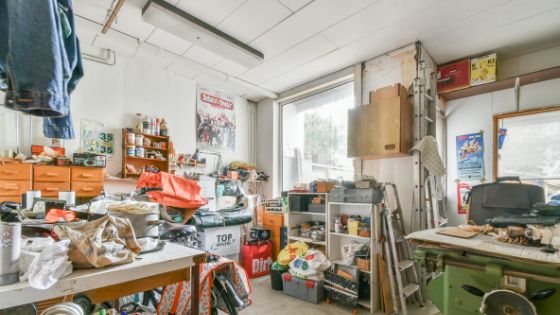
2. Cluttered Areas Give Spiders Hiding Spots
Clutter provides hiding spots where spiders feel safe. Basements and attics are common problem areas, along with crawl spaces, storage rooms, and unused closets.
Spiders prefer the dark, undisturbed spaces in areas of your home. Cardboard boxes, stacked items, and stored belongings provide spiders with shelter and a space to create webs. Over time, these areas can support many spiders without being noticed.
Even well-kept homes can develop clutter over time. Once spiders settle indoors, removing clutter alone may not be enough to eliminate spiders in the house. Professional pest control helps address spiders hiding in these areas.
3. Standing Water and Leaky Pipes are Factors that Attract Spiders in the House
Spiders need water to survive. Standing water indoors or around your house attracts spiders and the insects they feed on.
Common sources include:
- Leaky pipes
- Drips under sinks
- Bathroom plumbing issues
- Standing water near appliances

Bathrooms are one of the most common places spiders are known to enter and remain active. Water sources increase insect activity, which attracts spiders into the house overnight. A spider can also find water outdoors near birdbaths in neglected garden spaces. Since insects that are attracted to the spaces all live in the area, a spider can build a web and have a feature.
Fixing leaks helps reduce conditions spiders prefer when they seek the shelter they need. However, existing spider activity may still require pest control to resolve the issue entirely.
4. Cracks and Gaps Act as Entry Points Where House Spiders Get Inside
Spiders enter your house through tiny openings. Cracks and gaps along the exterior of your home allow spiders to move indoors without being noticed. Sealing entry points will help you prevent spiders from returning.
Common entry points include:
- Gaps around doors
- Doors and windows
- Small foundation cracks
- Utility openings

Once spiders get inside your home, they move toward basements, attics, and other quiet areas. These entry points allow spiders to re-enter your home repeatedly if left untreated. We help keep spiders away from the exterior of your house, so you don’t have to worry about their return. These areas also attract other insects, such as the common house fly, which serve as food for spiders.
5. Outdoor Lights Near Doors and Windows
Outdoor lights attract insects at night. This increase in insect activity attracts spiders around your home.
Spiders are likely to build webs near outdoor lights because insects are attracted to them. From that spot, spiders may find a way indoors through nearby doors and windows. Moths are insects that common house spiders find as an enticement to build their webs around outdoor lighting.
Moving or adjusting outdoor lights can help, but pest control is most effective when insect activity is reduced along the exterior of your home.

6. Landscaping and Firewood Near the Home Creates a Space Where Spiders Like to Hide
Plants, mulch, and firewood placed near the structure provide the shelter spiders need. These areas allow spiders to stay close to the exterior of your home.
Firewood stacks and thick landscaping also attract insects, which provide food sources for spiders. When spiders feel protected outdoors, they are more likely to enter your home during weather changes.
Keeping space between landscaping and the structure helps, but spider activity may still require professional treatment to prevent spiders from accessing houses.

7. Seasonal Changes Bring Spiders into Your Home
In Illinois, spider activity often increases as temperatures drop. During harsh weather conditions, spiders seek warmth and shelter indoors.
Basements and attics provide steady temperatures and quiet hiding spots for spiders to find refuge. This is why many homeowners encounter spiders in their homes during the fall, when the weather prompts spiders to seek shelter indoors.
Seasonal changes are a common reason spiders enter homes, even in areas that typically do not experience pest issues.

8. Quiet Areas Inside Your Home Offers Spots Where Spiders Enter Your House
Spiders like to hide in areas with little movement. These spots allow spiders to remain unnoticed, and are one of the common factors that attract spiders to find shelter inside.
Common hiding areas include:
- Behind furniture
- Under appliances
- Inside basements and attics
- Along walls and corners

These areas of the home provide spiders with opportunities to build webs and remain active. Over time, spiderlings may appear, often due to hidden spider eggs in quiet areas of the home. When you discover what attracts spiders, you’ve won half the battle in removing the insects that spiders like as well as the spiders.
9. Open Food Sources for the Insects that Attract Spiders to Your Home
Food left out attracts insects, which attract spiders to your home.
Examples include:
- Unsealed pantry items
- Pet food
- Trash that is not removed often
- Leftover food

Even small food sources can support insect activity. Once insects gather, spiders are attracted and settle nearby. This is a common reason homeowners notice spiders in their house without immediately seeing the insects, even when they make webs.
10. Lack of Pest Control Allows Spiders to Stay or Enter Again
Without regular pest control, spiders and insects can accumulate over time. A home may feel fine for years, then spiders appear more frequently. While natural pest control is effective in the short term, it’s not considered a permanent solution.

Pest control helps keep pests under control and reduces the things that can attract spiders. This is the most effective way to eliminate spiders indoors over time and prevent spiders from entering your home again. A.N.T. Pest Control keeps your home free of spiders.
Are Spiders in My House Dangerous to People?
Most house spider species found indoors are not aggressive. Spiders don’t actively seek out people and usually avoid contact. Bites are rare and often happen when spiders feel trapped.
Even so, seeing spiders in your house can cause stress and discomfort. This often causes many homeowners to seek professional help for getting rid of spiders.
Why It’s Important to Prevent Spiders from Getting Indoors
Spiders play a role in controlling insects outdoors, but indoors, they often signal a pest issue. Insects can trigger allergies and affect indoor comfort.
Web buildup collects dust and debris. Over time, this impacts air quality inside your home. Pest control helps keep pests and spiders at manageable levels. Our professional pest control technicians effectively remove spiders from your home using proven methods.
How Professional Pest Control Services Help
At A.N.T. Pest Control, we focus on understanding what attracts spiders and how spiders enter.
Our service helps:
- Reduce insect activity
- Limit spiders indoors
- Make your home less attractive to pests
By addressing insects and spider behavior, we help prevent spiders from settling inside your home.

Measures to Keep Spiders From Returning When There Were Spiders in Your House
Some measures to keep spiders under control include:
- Reducing clutter in basements and attics
- Repairing leaky pipes
- Removing standing water
- Scheduling professional pest control
These steps help limit spiders in your house and reduce the chance of future spider problems.
Frequently Asked Questions About the Things that Attract Spiders to Your House
Why do spiders keep showing up in my house?
Spiders continue to appear when food sources and hiding spots remain available. Insects indoors, cluttered areas, and easy entry points all support spider activity. Without pest control to reduce insects, spiders are likely to return even after cleaning or spraying.
Does seeing spiders mean my house is dirty?
No. Spiders in your house do not mean the home is dirty. Clean homes can still attract spiders if insects are present and serve as a buffet for spiders. Spiders are drawn to food and shelter, as well as quiet and dark spaces to hide.
Why are spiders often found in basements and bathrooms?
Basements and bathrooms offer water, low traffic, and dark spaces. These areas support insect activity and provide hiding spots. Spiders prefer these conditions, which is why sightings are common in these parts of the home.
Can pest control help prevent spiders in the long term?
Yes. Pest control helps prevent spiders by reducing the population of insects and limiting conditions that attract them. When food sources decline, spiders lose interest in staying indoors. This approach is more effective than using sprays alone.
When should I contact a professional for spider control?
You should call when spiders appear often, webs keep returning, or insects are also present. Early pest control helps stop spider problems before they spread and improves comfort inside your home.
Contact A.N.T. Pest Control for Spider Control When Spiders Come Into Your House
Are spiders getting into your home? Do you notice ongoing insect activity? If that’s the case, our expert spider control services is here to help. We take the time to inspect your space and explain what is happening. We look for what attracts spiders in the house, so you get a clearer picture.
Call A.N.T. Pest Control at (815) 215-7211 to schedule service. We’re ready to help make your home less attractive to spiders and keep pests under control with care and experience. Preventing spiders from entering your home is one of our specialties.


