
Dealing with wasps can be daunting, especially when their nests are hidden underground. These nests pose significant risks due to their concealment and the aggressive nature of the wasps protecting them. Understanding how to identify and handle an underground wasp nest is crucial for maintaining safety. Indeed, A.N.T. Pest Control provides expert solutions to manage these hazardous pests effectively, ensuring your home and yard remain safe environments for you and your family.

Understanding Underground Wasp Nests
What Are Ground Wasps?
Ground wasps are a group of wasp species that choose to build their nests below the earth’s surface. These insects play vital roles in the ecosystem, such as pollinating plants and controlling pest populations. However, their presence near human activity can lead to conflicts, especially when their nesting areas overlap with common residential spaces.
What Does a Ground Wasp Nest Look Like?
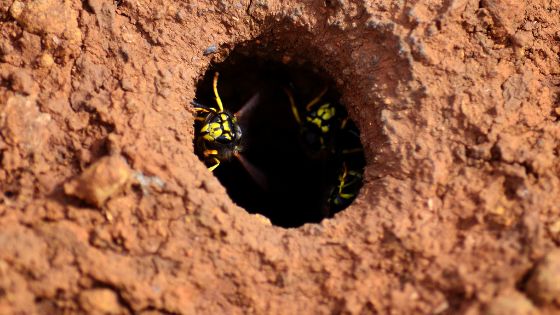
An underground wasp nest typically appears as small holes in the ground with disturbed soil around the entrance. These openings are often hidden among garden mulch, under bushes, or along the edges of patios, making them hard to spot without careful observation. Specifically, signs of wasp activity, like flying insects entering and exiting these holes, are common indicators of an underground nest.
What Are Ground Wasp Behavior?
Ground wasps are known for their industrious nest-building in soil and can become highly aggressive if they perceive a threat near their home. This defensive behavior intensifies if the nest is disturbed, leading to potential stings that can be painful and, for some individuals, dangerously allergic.
Signs of an Underground Wasp Nest Visible Signs of Activity
Regularly seeing wasps flying to and from the ground in specific areas like your garden, yard, or near the basement can indicate the presence of an underground nest. Moreover, observing these patterns over a few days can help pinpoint their exact location.
-
Behavioral Indicators
An increase in wasp activity, particularly near the ground or specific landscape features, often signals a nearby nest. These insects are most active during the day and less so at night, which can help in scheduling safe inspection times.
-
Physical Clues
Besides the small holes and disturbed soil, look for signs of excavation, like visible mud or plant debris near the entry points. These clues can often lead you directly to a nest’s entrance.
-
Dangers of Ignoring Signs
Ignoring the signs of an underground wasp nest can lead to painful encounters and larger infestations as the colony grows. Additionally, early identification and intervention are key to preventing these risks and maintaining a safe outdoor space.
Identifying Different Types of Ground Wasps

Yellowjackets are among the most common ground-nesting wasps, recognized by their distinctive black and yellow stripes. They often build extensive underground nests and can become very aggressive, especially in the late summer when their populations peak.

Paper wasps may also choose to nest in the ground, although they are typically known for their aerial paper nests. These wasps are slightly less aggressive but can sting if their nesting area is disturbed.
-
Other Common Ground-Nesting Wasps
There are several other species of wasps that might choose to build their nests underground. Each species has unique characteristics and behaviors, but all share a common need for control to prevent them from becoming a threat to human activity.
With thorough observation and the right approach, managing the risks associated with underground wasp nests can be straightforward. A.N.T. Pest Control offers professional, effective wasp pest management services tailored to your specific situation, ensuring your outdoor spaces remain enjoyable and safe for everyone. Thus, if you suspect an underground wasp nest near your home, don’t hesitate to contact us for a consultation and prompt intervention.
Risks of DIY Wasp Nest Removal
Why DIY Methods Are Dangerous?
Attempting to remove a wasp nest on your own can be risky. Wasps can become aggressive if they feel threatened, leading to multiple stings. Moreover, this is particularly dangerous for individuals with allergies to wasp stings, as it can trigger severe allergic reactions, including anaphylactic shock. Without professional training and proper safety gear, the risk of injury increases significantly.
Ineffective DIY Solutions
Many homeowners might try to use sprays or attempt to dig up the nest themselves. However, these methods often prove ineffective. Sprays may not reach the core of the nest, especially if it is underground, and physically disturbing a nest can provoke wasps to attack.
Why is Professional Help Necessary?
Professional pest control technicians are equipped with the knowledge and tools to remove wasp nests. Furthermore, they can perform the task effectively, minimizing the risk of wasp aggression and ensuring that the entire nest is eradicated to prevent future issues.

Natural Methods to Get Rid of Ground Wasps
-
Essential Oils and Natural Repellents
Natural repellents such as peppermint oil, vinegar, or clove oil can deter wasps to some extent. These substances can be applied around potential nesting sites to repel wasps, but their effectiveness is limited.
-
Baiting and Traps
While DIY traps can catch a few wasps, they are generally insufficient for dealing with an entire underground nest. Traps might reduce the number of wasps but won’t eliminate the nest itself.
-
Limitations of Natural Methods
Natural methods might provide a temporary solution but rarely address the root problem. For comprehensive and safe eradication, professional intervention is often necessary.
Professional Wasp Nest Extermination Process
Step 1: Identification and Assessment
A.N.T. Pest Control experts begin by assessing the size and location of the nest. Accurate identification is crucial for effective treatment.
Step 2: Targeted Treatment
Technicians apply products according to label directions to treat the nest.
Step 3: Prevention
This includes treating the surrounding areas with a repellent application to discourage wasps from returning.
Step 4: Follow-Up Services
A.N.T. Pest Control can provide follow-up visits to ensure the area remains wasp-free, offering peace of mind and long-term protection.

Where do Ground Wasps Like to Hide?
Common Nest Locations
Ground wasps typically build nests in quiet, undisturbed parts of yards or gardens, often near walls or under bushes. They also prefer locations that are shielded from direct sunlight and high traffic.
Factors That Attract Ground Wasps
Wasps are attracted to areas that offer food and shelter. Likewise, disturbed soil or open gardens can also invite wasps to start building nests.
Why Choose A.N.T. Pest Control for Underground Wasp Nest Removal?
-
Expertise and Experience
With years of experience in pest control, A.N.T. Pest Control has the expertise needed to identify and remove wasp nests safely and efficiently.
-
Comprehensive Pest Management
Their holistic approach ensures that all aspects of wasp control are covered, from initial removal to preventive measures, ensuring long-term solutions.
-
Peace of Mind
Knowing that a professional is handling the wasp problem allows homeowners to feel secure and wasp-free.

Tips for Preventing Underground Wasp Nests
- Regular Yard Inspections
Conducting regular inspections can help spot early signs of wasp activity before it becomes a larger issue.
- Seal Potential Nesting Sites
Filling in holes and sealing cracks in your yard can prevent wasps from establishing nests.
- Attractants to Avoid
Keep outdoor eating areas clean, and ensure that trash and sugary substances are sealed or covered to avoid attracting wasps.
Need Help with Underground Wasp Nests? Call A.N.T. Pest Control Today!
Don’t let wasps take over your yard. Contact A.N.T. Pest Control for expert consultation and immediate nest removal services. Enjoy a safe, wasp-free environment for you and your family.


