
If you’ve encountered an earwig and are worrying, do earwigs bite? The concern is understandable given their pincers, but rest assured, bites from earwigs are exceptionally rare. This article explores the realities behind earwig behavior, debunks myths, and provides tips on how to deal with these misunderstood creatures.
If you’ve come across an earwig and are concerned about being bitten, let’s get straight to the point: Do earwigs bite? Although earwigs have pincers, the likelihood of being bitten by one is extremely low. This article delves into the behavior of earwigs, separates fact from fiction, and offers advice on how to handle these misunderstood insects.
Key Insights
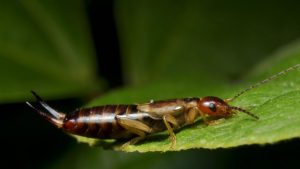
- Earwigs don’t actually bite humans, and the fear of them is largely based on myths; their pincers are mainly for defense, mating rituals, and feeding.
- An earwig pinch is rare and typically mild, causing only minor discomfort and possibly minor skin irritation that can usually be treated with simple first aid.
- Prevent earwig problems by keeping living spaces dry and clean. Use DIY traps or call pest control professionals if you’re dealing with an infestation.
Debunking the Earwig Bite Myth
Have you ever heard the old wives’ tale that earwigs crawl into a person’s ear canal to lay eggs in the human brain? This ghastly story, rooted in historical folklore and sensational medieval science, has given rise to the name ‘earwig’ itself—a term which many believe is derived from European phrases like ‘ear worm’ or ‘ear wiggler’. These myths have painted earwigs as dangerous creatures, capable of inflicting serious harm, when in reality, they’re no more threatening than a mosquito buzzing in your ear.
Adding to their intimidating reputation are their menacing-looking large pincers and a resemblance to cockroaches that can easily send shivers down a person’s spine. But does the fear match the facts? Not quite. Despite their appearance and the common worry about earwig bites, particularly during an infestation, these pincher bug insects are neither seeking human hosts nor are they prone to biting, unlike the more common issue of mosquito bites.
Recognizing that earwigs aren’t harmful and don’t purposefully bite humans can alleviate unnecessary fear and mismanagement, which could result in a pinch. So, before you squirm at the sight of an earwig, remember that there’s no need to panic—they’re not the biters of old tales, nor are earwigs dangerous.
Earwig Appearance and Pincers
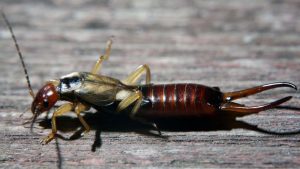
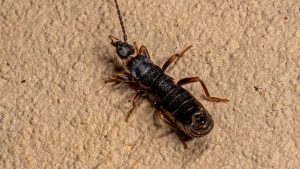
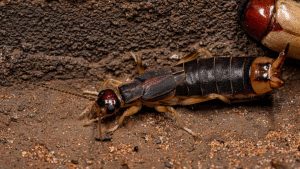
At a glance, earwigs might look like something out of a sci-fi film, with their large forceps-like pincers, known as cerci, situated at the end of their abdomens and transparent wings neatly folded under hard wing covers. But before you cast them as the villain, let’s explore the real use of these distinctive pincers. Rather than being tools of terror, they perform various functions, ranging from defense to feeding, demonstrating the earwig’s adaptability.
Yet, despite their fearsome appearance, these pincers are not typically used to bite humans. Let’s delve into the multifunctional nature of these tools and debunk the myth that they’re out to get us.
Defense Mechanisms
When you come across an earwig, you may notice it brandishing its pincers like a knight wielding a sword. These pincers mainly serve as a defense mechanism, prepared to administer a slight nip in response to any perceived threat. This is their way of saying, “Back off!” rather than an aggressive attack. While the idea of being pinched by an earwig might be unsettling, you can be confident that such instances are uncommon and infrequently cause significant harm to humans.
Imagine you’re an earwig, and a giant looms overhead. What do you do? You use your best defense: your pincers. Earwigs might feel threatened by our sheer size and could defensively nip at a probing finger or an inquisitive palm. Yet, this response is more about self-preservation than aggression. Therefore, though their pincers may appear daunting, they are not weapons of war, but rather protective shields.
Mating Rituals
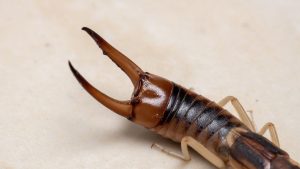
The earwig’s pincers play a starring role in their love life as well. During courtship, male earwigs use their forceps in a display of finesse, waving and stroking to woo the females. These mating rituals are delicate dances, with the male’s pincers gently grasping the female’s cerci in a tender embrace. Far from the brutish image often associated with these insects, their courtship reveals a surprising grace and complexity.
In the world of earwigs, size—and shape—does matter, especially when it comes to the male’s pincers. Longer, straighter forceps are not just for show; they’re a sign of a male earwig’s virility and are associated with higher mating success. This biological edge underscores the importance of pincers beyond their misunderstood defensive role. It’s a classic case of survival of the fittest, with the most impressive pincers winning the mating game.
Feeding Habits
Don’t let the earwig’s pincers fool you into thinking they’re out for blood. These insects, as omnivorous scavengers, sustain a relatively normal diet, consuming a variety of plants, insects, and decomposing organic matter. Earwigs prefer the damaged and decaying matter, opting for the softness of wilted plant leaves and the richness of rotting wood over fresh, healthy greens. It’s not a culinary choice that we would make, but for earwigs, it’s a feast.
In their quest for sustenance, earwigs use their pincers much like we use utensils—to grab, hold, and incapacitate their food. Whether it’s small insects or a tender part of a plant, these pincers are essential tools that facilitate the earwig’s feeding process. Therefore, when you next spot an earwig darting around your garden, keep in mind that they are more attracted to the feast of decaying plants or matter and stray insects than to you.
The Reality of Earwig Bites and Pinches
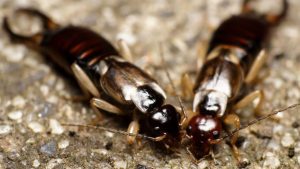
Contrary to their reputation, earwigs are more prone to delivering a pinch than a bite, and even this is a rare event. In fact, earwigs bite incidents are far less common than one might think. Think of earwigs pinch as a pinch from a small child—surprising, maybe a bit uncomfortable, but hardly the stuff of nightmares. These earwigs pinch instances are a self-defense mechanism, not an act of aggression, and they generally result in mild, temporary discomfort.
Even adult male earwigs, with their more formidable pincers, don’t typically break the skin or cause serious harm. So while you might be momentarily startled if pinched by an earwig, there’s no need to fear any dire consequences.
Earwig Pinch Symptoms
If you’ve ever experienced an earwig’s pinch, you’ll recognize it by the twin puncture wounds it leaves—two red spots separated by a small distance, frequently accompanied by localized redness, swelling, and soreness. It’s an unmistakable signature that says, “An earwig was here.” While the physical impact may sometimes break the skin, leading to minor bleeding, it’s usually not a cause for alarm. Just like with another insect bite, it’s the potential for infection that warrants attention, especially since earwigs can carry bacteria from their soil-dwelling habitats.
If, by chance, an earwig’s pincers break off and stay lodged in the skin, this can heighten the risk of swelling and potentially blistering. It’s an unusual complication, but one that highlights the importance of taking care after an earwig encounter. Keeping the pinch site clean and applying an antibacterial cream can prevent the situation from escalating into something more serious. So, while the earwigs pinch itself is no more troublesome than a small scrape, proper care is the key to keeping it that way.
Complications from Earwig Pinches

While a pinch from our pinchy friends is mostly a minor incident, there’s a small chance it could lead to more troublesome issues. You might notice skin irritations such as tightness or a rapidly developing rash, suggesting that the pinch has angered your skin more than average. In some cases, skin infections like cellulitis, marked by red, inflamed skin that’s tender and painful, can occur if the pinch isn’t cleaned properly or if pincer fragments are left behind. It’s a rare turn of events but one that highlights the need for vigilance.
In even rarer circumstances, an untreated earwig pinch could spiral into systemic infections like sepsis—signified by:
- blistering
- red streaks leading away from the pinch site
- lethargy
- fever
This is a medical emergency territory, and if you’re experiencing these symptoms, it’s time to seek medical attention immediately. But let’s not get ahead of ourselves—most earwig pinches won’t even break your skin, and with proper care, the chances of complications are slim.
Remember, it’s not about the pinch; it’s about the aftermath. Therefore, remain composed, maintain cleanliness, and continue on!
How to Treat and Prevent Earwig Bites and Pinches
In the context of earwigs, preventive measures are much more beneficial than treatment. To avoid the rare but memorable pinch, it’s best to steer clear of handling these insects altogether. If you must move them, do so with care—preferably with gloves on.
Should you find yourself on the receiving end of an earwig’s defensive maneuver, treat the area by cleaning it, applying antibacterial cream, and if needed, using an ice pack to soothe any swelling. And remember, these encounters are more about surprise than serious harm, so there’s no need to let the fear of earwig pinches bug you.
First Aid Measures
Caught off guard by a pinch? Here’s your course of action:
- Assess the affected area for any breaks in the skin.
- If the earwig’s pincers have left their mark, wash the area thoroughly with soap and warm water to wash away any bacteria that hitched a ride.
- Apply an antibacterial cream or lotion to ensure that the only thing left behind is a story to tell, not an infection.
If the pinch has left you feeling a bit tender, an ice pack can be your best friend. Applying it to the area can reduce redness and swelling, bringing some much-needed relief. While it’s unlikely that an earwig pinch will require more than these simple first-aid measures, it’s always a good idea to keep an eye on the site. If you notice any signs of serious harm or infection, don’t hesitate to consult a healthcare professional for proper care.
Prevention Tips
Prevention is the key principle when dealing with earwigs. Here are some tips to keep them away from your home:
- Avoid handling these insects when possible and use protective gloves if you must move them to steer clear of any accidental pinches.
- Maintain dry conditions in your living area, particularly in naturally humid spots like basements and laundry rooms, to discourage these moisture-seeking pests from invading your home.
- Eliminate their preferred environment by keeping your home dry, essentially rolling up the welcome mat for earwigs.
Sealing up cracks and crevices around your home can also help keep these wayward insects at bay. Take the time to inspect items like newspapers, potted plants, and other materials that might serve as earwig transportation before bringing them indoors. With a bit of vigilance and some proactive pest-proofing, you can get rid of earwigs before they become a pinching problem. So, remember: dry, sealed, and scrutinized is the way to a pinch-free day.
Managing Earwig Infestations
Encountering the occasional earwig is one thing, but dealing with an earwig infestation is another. If you find yourself outnumbered by these nuisance pests, don’t despair. You can act to reduce their presence by ensuring dry conditions, removing decaying vegetation, and blocking potential access points into your house.
For those looking to tackle earwig infestations head-on, there are DIY pest control methods that can help, as well as professional services ready to assist if the situation escalates beyond your control. Whether you’re a fan of do-it-yourself solutions or you prefer professional intervention, effective solutions are available to tackle your earwig issues.
Signs of an Infestation
How do you know if you’re dealing with an earwig infestation? Look no further than your plants. Earwigs leave behind a calling card in the form of irregular holes chewed through the leaves and flower blossoms—a sign of their nightly feasting.
In the kitchen, these pests can also wreak havoc on your pantry, nibbling through groceries and leaving a trail of destruction that’s hard to miss. If you’re noticing these signs consistently, it’s time to call in the cavalry—a professional pest control specialist who can help you capture prey and reclaim your space from these uninvited guests.
DIY Earwig Control Methods
If you’re a hands-on problem solver, there’s good news: you can craft your own earwig traps with items you likely have around the house. Here are some options:
- A simple bowl of canola or olive oil
- A container filled with a mix of vegetable oil and fish oil
- Setting up a low-sided can
- Creating a sticky barrier with tape around tree trunks
- Rolled-up newspapers or bamboo tubes can offer an attractive hiding spot for earwigs, which you can then dispose of during the day.
These traps lure earwigs in and keep them from wreaking havoc on your plants. For those who prefer a more natural approach, rolled-up newspapers or bamboo tubes can offer an attractive hiding spot for earwigs, which you can then dispose of during the day.
For those unwelcome earwig guests that make it indoors, boric acid is a potent chemical deterrent. Complement this with regular vacuuming to suck up any strays and their eggs. And for your garden, a nighttime spray-down with a homemade pesticide solution—think one part rubbing alcohol to nine parts water—can help keep those earwigs at bay. Whether you’re combating an indoor invasion or protecting your flower plants, these DIY methods can help you maintain an earwig-free zone.
What happens if an earwig pinches you?
Don’t worry if you get earwigs bite – it won’t cause any serious harm. You might see some red marks, but they usually won’t break your skin. In rare cases, you might have small puncture wounds and light bleeding.
Are earwigs harmful to humans?
Earwigs are not harmful to humans, as they do not feed on human flesh or possess venom. While they can pinch if threatened, the pinchers are not strong enough to cause significant harm. So, you don’t need to worry about them causing any harm to you.
Will earwigs go in my bed?

No, earwigs don’t have any reason to find their way into your bed. They prefer damp, dark spaces within structures, so you shouldn’t worry about them in your bed.
What do earwigs go in your ear?
No, earwigs do not tend to go into human ears. They are not attracted to the inside of the ear, and there is no evidence to suggest that they target ears specifically.
What should I do if I get pinched by an earwig?
If you get pinched by an earwig, make sure to clean the area with soap and water, apply antibacterial cream, and monitor for infection. Seek medical advice if you notice any signs of infection. Take care!
Earwig Control Management
As we wrap up our exploration of earwigs, it’s clear that these insects are more misunderstood than malevolent. The myths of earwigs crawling into human ears or delivering a dangerous bite have been thoroughly debunked. Instead, we’ve learned that earwigs are fascinating creatures with unique behaviors, from their use of pincers in defense and mating rituals to their scavenging feeding habits. While they can be a nuisance, particularly when they infest our homes and gardens, earwigs are generally harmless to humans.
In the case of an unexpected pinch, remember to clean the affected area, apply antibacterial cream, and keep an eye out for any unusual symptoms. Prevention remains the best strategy, with simple measures like keeping your home dry and sealed to discourage earwig visits. And if all else fails, calling a pest control professional is a surefire way to address an earwig infestation. With this newfound knowledge, you can coexist with earwigs without undue fear or discomfort, appreciating them as just another part of our diverse and remarkable natural world.
When to Call a Pest Control Professional

Sometimes, DIY methods just don’t cut it, especially if you’re up against a full-blown earwig infestation. When the situation seems too big to handle or you’re simply not seeing results, it’s time to call in pest control professionals like A.N.T. Pest Control.
A.N.T. Pest Control can help eradicate earwig nests and provide long-term solutions to prevent future invasions, ensuring that your home and garden remain peaceful sanctuaries free of these nuisance pests. We specialize in handling such issues with precision and care, using pesticides according to label directions when natural methods aren’t enough. If you’re at your wit’s end trying to get rid of earwigs, don’t hesitate to reach out to a professional who can provide the expertise and treatment necessary to solve your earwig problems. Remember, there’s no dishonor in asking for help—sometimes, it’s the wisest course of action.
Reach out to us now for expert earwig control services!


